
Terpenes 101: What Is Caryophyllene and What Does It Do?
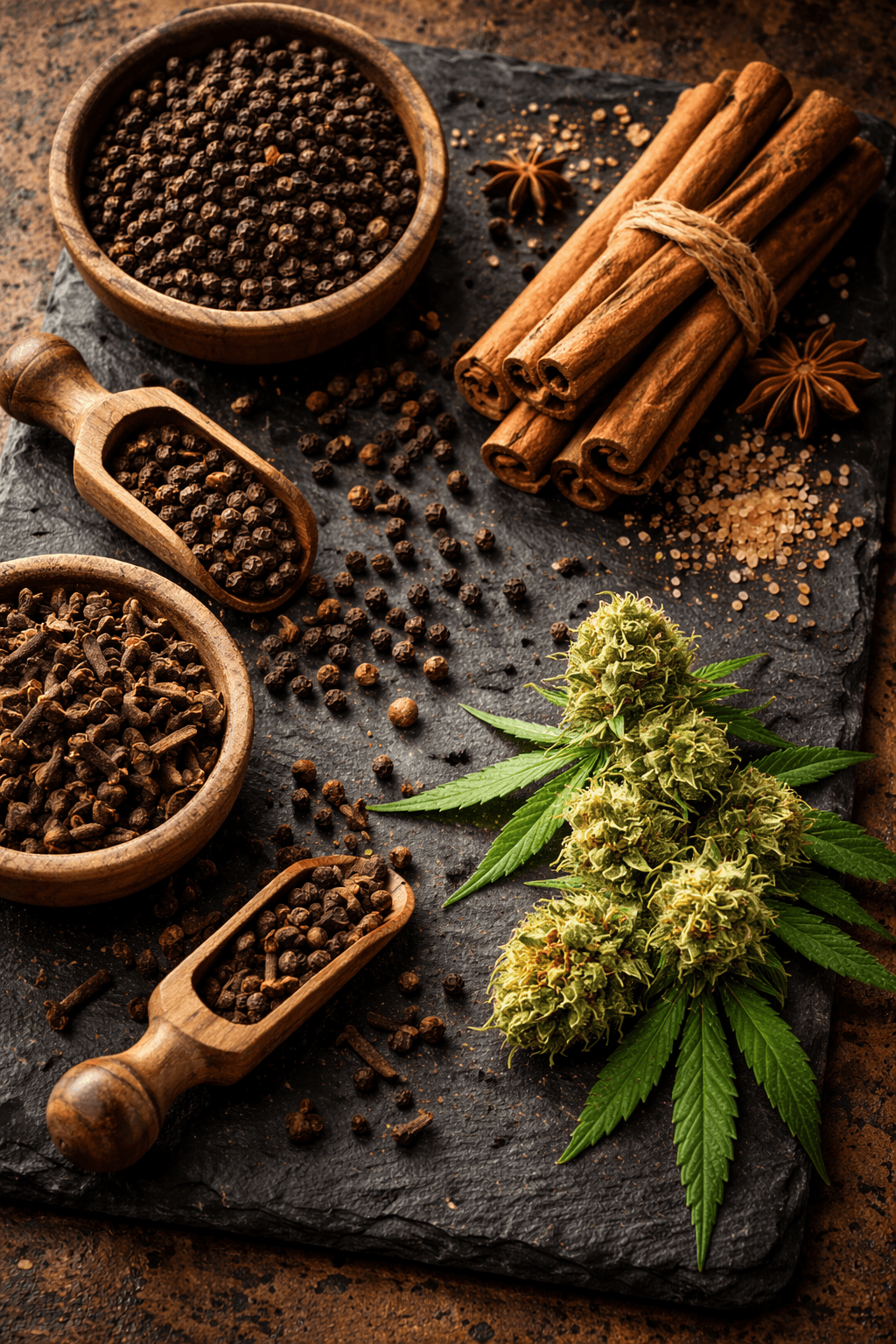
Caryophyllene, also called beta-caryophyllene or BCP, is a terpene found in hops, cloves, black pepper, oregano, cinnamon, basil, and many strains of cannabis. If you have ever taken a whiff of herb with a funky bite that hits like smelling cracked pepper, it is likely rich in caryophyllene.
Cannabis strains with high levels of caryophyllene tend to be pungent and musky, including Bubba Kush, Sour Diesel, Chemdog, Death Star, and Gelato. Given its strong aroma, it is one of the most easily detected by smell in a strain next to the unmistakable citrusy punch of limonene.
Caryophyllene is unique due to its ability to act as a cannabinoid and directly activate the CB2 receptor. Because of this, it can help with issues like inflammation, anxiety, and pain all by itself.
Potential Benefits of Caryophyllene
Antioxidant and Anti-inflammatory Properties
A recent study shows that this terpene can help reduce inflammation and may be a helpful therapeutic for inflammatory bowel disease and colitis, as well as help reduce stress-related cell regeneration.
Could Help Fight Addiction
A study on mice showed promise for caryophyllene's potential to reduce alcohol intake, making this terpene a possible treatment for addiction.
Could Help Reduce Stress and Anxiety
Due to its activation of the CB2 receptor, it is a potential therapeutic strategy for the treatment of inflammation, pain, atherosclerosis, and osteoporosis. Its ability to induce euphoric effects without the presence of THC can aid in the reduction of anxiety.
Caryophyllene in Our Products
Because caryophyllene is naturally present in the hemp plant, you get it in every bottle of our full spectrum CBD tinctures and full spectrum gummies. The CB2 activation from caryophyllene pairs well with the other cannabinoids in a full spectrum formula. Ready to try it, browse our shop.