
What Is CBC? The Underrated Cannabinoid
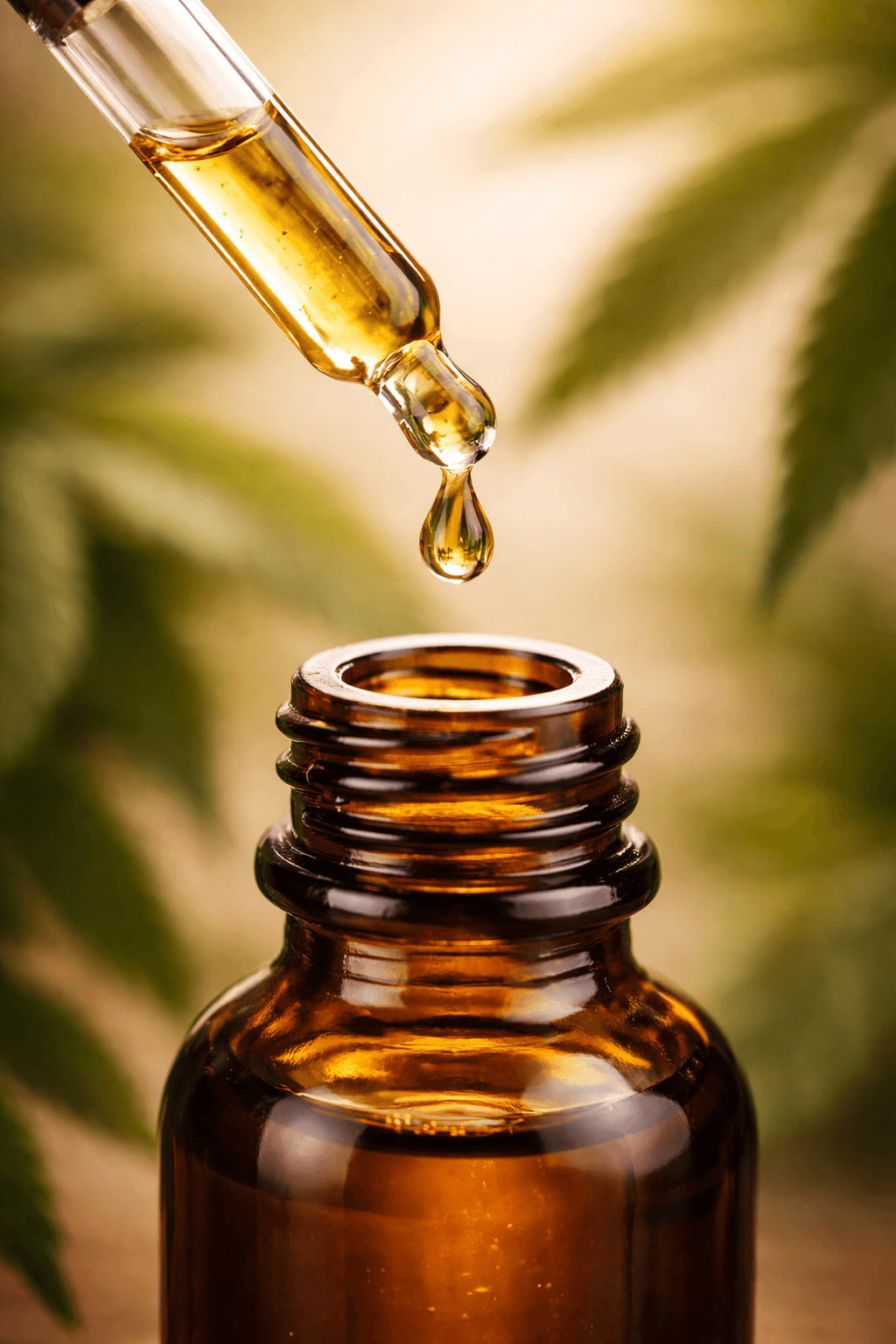
Cannabichromene (CBC) is the third most abundant cannabinoid in the cannabis plant, yet it remains one of the least known. While CBD and THC dominate the conversation, CBC has its own distinct mechanisms and potential benefits that make it a valuable part of full spectrum hemp products.
How CBC Is Formed
Like CBD and THC, CBC originates from CBGA (the "mother cannabinoid" discussed in our CBG article). The enzyme CBCA synthase converts CBGA into CBCA (cannabichromenic acid), which then decarboxylates into CBC when exposed to heat or UV light.
CBC is non-intoxicating. It does not produce a "high" at any dose.
How CBC Works
CBC has a unique pharmacological profile that sets it apart from other cannabinoids:
Minimal CB1/CB2 Binding
CBC has poor binding affinity for both CB1 and CB2 receptors. This is part of why it is non-intoxicating, but it also means CBC works primarily through non-cannabinoid receptor pathways.
TRPV1 and TRPA1 Activation
CBC is a potent activator of TRPV1 (pain/heat receptor) and TRPA1 (responsible for sensing irritants and inflammation). By activating these channels, CBC may contribute to pain relief and anti-inflammatory effects. Importantly, TRPV1 activation causes the body to release more endocannabinoids naturally.
Anandamide Reuptake Inhibition
CBC inhibits the reuptake of anandamide (the "bliss molecule"), keeping it active in the body longer. This is similar to how CBD inhibits FAAH (the enzyme that breaks down anandamide), but through a different mechanism. Together, CBD and CBC may significantly boost the body's natural anandamide levels.
Potential Benefits of CBC
Anti-Inflammatory
A 2010 study found that CBC reduced inflammation in a mouse model of edema, and its effects were enhanced when combined with THC, supporting the entourage effect.
Antidepressant Effects
A 2010 study in Pharmacology Biochemistry and Behavior found that CBC demonstrated significant antidepressant-like effects in rodent models. The researchers noted that CBC, along with CBD and CBN, may contribute to the overall mood-elevating properties of cannabis.
Pain Relief
CBC's activation of TRPV1 and TRPA1 channels provides a unique analgesic pathway. A 2011 study found that CBC produced anti-nociceptive (pain-blocking) effects that were enhanced when combined with CBD.
Neuroprotective Properties
A 2013 study found that CBC promoted the viability of neural stem progenitor cells (NSPCs), which are essential for brain health and neurogenesis (the growth of new brain cells). This makes CBC one of the few known compounds that may support the growth of new neurons.
Acne and Skin Health
CBC has been shown to reduce excessive sebum (oil) production and sebaceous gland inflammation. A 2016 study in Experimental Dermatology found that CBC exhibited anti-acne properties through anti-inflammatory and sebostatic mechanisms.
CBC in Full Spectrum Products
While you will not find standalone CBC products at most retailers (it is still relatively rare and expensive to isolate), CBC is naturally present in full spectrum hemp extracts. This is one of the key reasons full spectrum products may outperform isolates. The CBC content works synergistically with CBD, CBG, CBN, and terpenes.
Our full spectrum tinctures and full spectrum gummies naturally contain CBC as part of the complete hemp extract profile.
CBC vs. Other Cannabinoids
- Non-intoxicating like CBD and CBG
- Does not bind well to CB1/CB2 (unlike CBG and CBN)
- Works primarily through TRPV1/TRPA1 channels (unique pathway)
- Boosts anandamide through reuptake inhibition (different mechanism than CBD)
- May support brain cell growth (unique among cannabinoids studied so far)
CBC is a quiet contributor in full spectrum formulas. It does not get the headlines, but it plays an important role in why whole-plant extracts are often more effective than single-compound products. Want to feel the effect for yourself, browse our shop for lab tested full spectrum products.
This article is for educational purposes only and is not medical advice.